


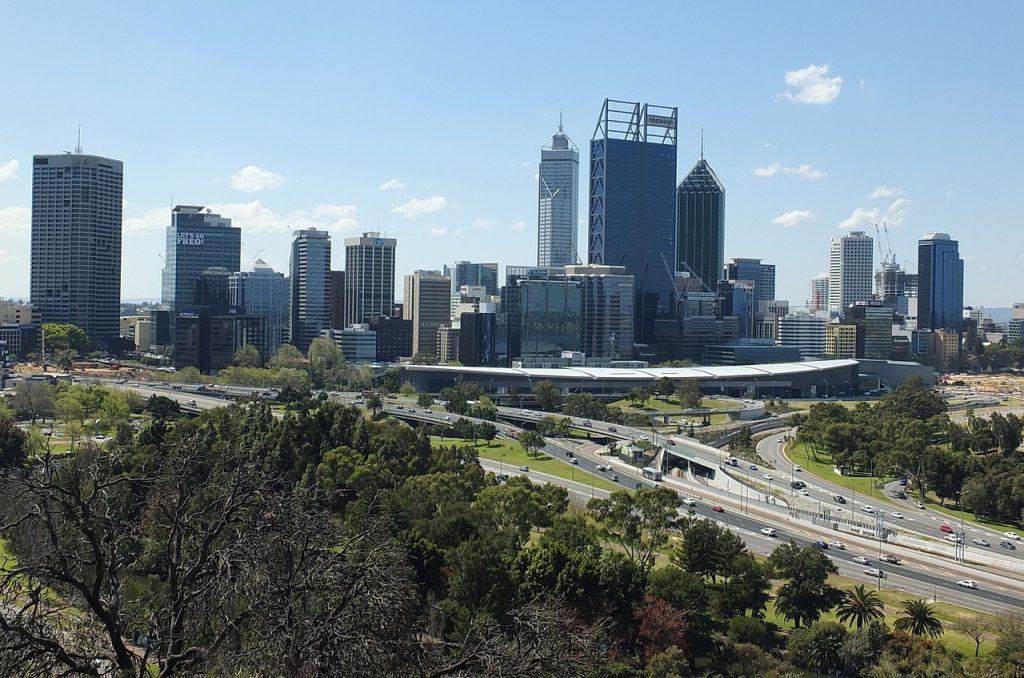
Discover the cutting-edge design innovations taking the urban planning construction industry by storm in Perth. From bold architectural concepts to sustainable and eco-friendly solutions, this vibrant city has become a hotbed for groundbreaking urban development.
Let’s delve into the latest trends shaping the urban landscape of this Western Australian chief destination. These trends showcase ingenious ideas and forward-thinking approaches that revolutionize how cities are built.
Uncover how city planners seamlessly blend functionality with aesthetic appeal. See how it creates spaces that not only meet the needs of residents but also inspire and captivate.
With a focus on sustainability and environmental consciousness, Perth’s urban plan set-up embraces eco-friendly practices and materials. Green roofs, energy-efficient buildings, and metropolitan gardens have transformed the cityscape into a greener and more livable environment.
Gain insights into the future of city development. In addition, be inspired by the innovative designs and visionary ideas shaping the urban landscape of this dynamic Australian city.
Importance of Design Innovations in Urban Planning Construction

Design innovations play a crucial role in planned urban construction, particularly in rapidly growing cities. As urban populations surge, the demand for innovative design solutions becomes increasingly important.
The purpose
- Essential in accommodating housing, transportation, and public spaces effectively. They help create urban areas that are not only functional but also aesthetically pleasing and conducive to community interaction.
- The combination of form and function is essential in fostering vibrant neighborhoods that attract residents and businesses alike.
- Designs contribute to the resilience of urban environments by incorporating flexible and adaptive designs. Cities can better respond to challenges such as climate change, population density, and evolving social dynamics.
- Modular construction techniques allow for rapid assembly and disassembly of structures, providing a flexible solution to changing urban needs. Urban areas remain dynamic and can evolve over time, rather than becoming stagnant or outdated.
- Modular designs foster sustainability as urban planners and architects embrace new design paradigms that create spaces that prioritize environmental stewardship and resource efficiency.
- Integrating green spaces, renewable energy sources, and sustainable materials, innovative designs contribute to a healthier urban ecosystem.
These holistic approaches help mitigate the impacts of inner-city sprawl, encouraging a more sustainable and livable city for future generations.
Incorporating Technology in Urban Planning
The inclusion of technology in urban planning construction has revolutionized the way cities are designed and built. The deployment of advanced technologies is reshaping urban landscapes, making them more efficient and responsive to the needs of residents.
Technologies such as Building Information Modeling (BIM), Geographic Information Systems (GIS), and smart city solutions are at the forefront of this transformation. These tools facilitate better planning by allowing planners and designers to visualize projects in a three-dimensional space. In addition, it helps them identify potential issues before construction begins.
Moreover, the integration of smart technologies enhances the functionality of urban spaces. For instance, the use of IoT (Internet of Things) devices in public infrastructure allows for real-time monitoring of resources like water and energy. This data-driven approach enables better management of urban resources, reducing waste and enhancing sustainability.
Also, smart traffic management systems are being implemented to streamline transportation flows, reduce congestion, and improve overall accessibility in Perth. The blend of technology and urban plan construction not only creates a more efficient city but also enhances the quality of life for its residents.
Furthermore, technology paves the way for community engagement in city planning processes. Through interactive platforms and applications, residents can provide feedback on proposed designs and developments. In such case, fostering a sense of ownership and involvement in their communities is highly possible.
This participatory approach ensures that city plans are more reflective of the actual needs and desires of the population. The emphasis on technology in urban construction is not merely about efficiency. It is about creating inclusive and responsive urban environments that cater to the diverse needs of contemporary society.
Sustainable and Eco-Friendly Designs

These designs are at the heart of contemporary urban plan constructions, particularly in cities that prioritize environmental responsibility. They focus on minimizing the ecological footprint of urban development while maximizing the use of renewable resources.
The shift towards sustainability is not just a trend; it is a necessary evolution in response to the pressing challenges posed by climate change and urbanization. One notable aspect of sustainable design is the use of renewable energy sources such as:
- Solar panels
- Wind turbines
- Geothermal systems
Integrated into new buildings, they aim to reduce reliance on fossil fuels. These energy-efficient solutions not only lower operational costs for residents and businesses but also contribute to a significant reduction in greenhouse gas emissions.
Over and above that, building designs are evolving to enhance energy efficiency through:
- Passive solar design
- improved insulation
- Smart energy management systems
Another critical element of eco-friendly design is the emphasis on green spaces within urbanized environments. Parks, green roofs, and urban gardens play a significant role in enhancing biodiversity, improving air quality, and providing recreational opportunities for residents.
Collaboration and Partnerships in Urban Planning

Collaboration and partnerships are essential components of successful city planning. As the complexity of modern urban development requires a multidisciplinary approach, it brings together construction and design key players, environmentalists, and community members.
The alliance among these diverse stakeholders allows for continuously creating comprehensive plans to address the multifaceted challenges of urbanization. This collaborative spirit is crucial for ensuring that all voices are heard and that the resulting designs will reflect the community’s multiple needs.
Public-private partnerships (PPPs) are also becoming increasingly prevalent in urban development projects. These teamwork leverages the expertise and resources of both the public and private sectors to deliver innovative solutions for the community to benefit from. Recently, developers are work hand in hand with local governments to create affordable housing projects or enhance public infrastructure.
Aligned interests can lead to more efficient project delivery and better outcomes for residents. In Perth, successful PPPs have resulted in the revitalization of underutilized spaces and the creation of vibrant mixed-use developments.
Moreover, community engagement is a cornerstone of effective urban plan construction. Involving residents in the planning process ensures that their perspectives and preferences are considered, fostering a sense of ownership and pride in their neighborhoods.
Activities that provide opportunities for the community
- Workshops
- Public meetings
- Online platforms
It is in these channels where community members are allowed to share deas and feedback on proposed designs. This participatory approach not only leads to better design outcomes but also strengthens community bonds and promotes social cohesion.
As Perth continues to grow, the emphasis on collaboration and partnerships will always be critical in shaping inclusive and resilient urban environments.
Conclusion and future prospects for design innovations in Perth
The future of urban planning in this part of the country is poised for exciting advancements driven by planning innovations. While it continuously evolve, the commitment to innovative design will play a pivotal role in addressing the challenges posed by rapid urbanization and climate change.
Looking ahead, the prospects for urban planning construction innovations are promising. With ongoing investments in technologies and sustainable infrastructure, the city is well-positioned to lead the way in creating resilient urban environments.
As the city embraces these transformative design changes, it will serve as a model for other Australian cities aspiring to create sustainable and livable urban spaces.