




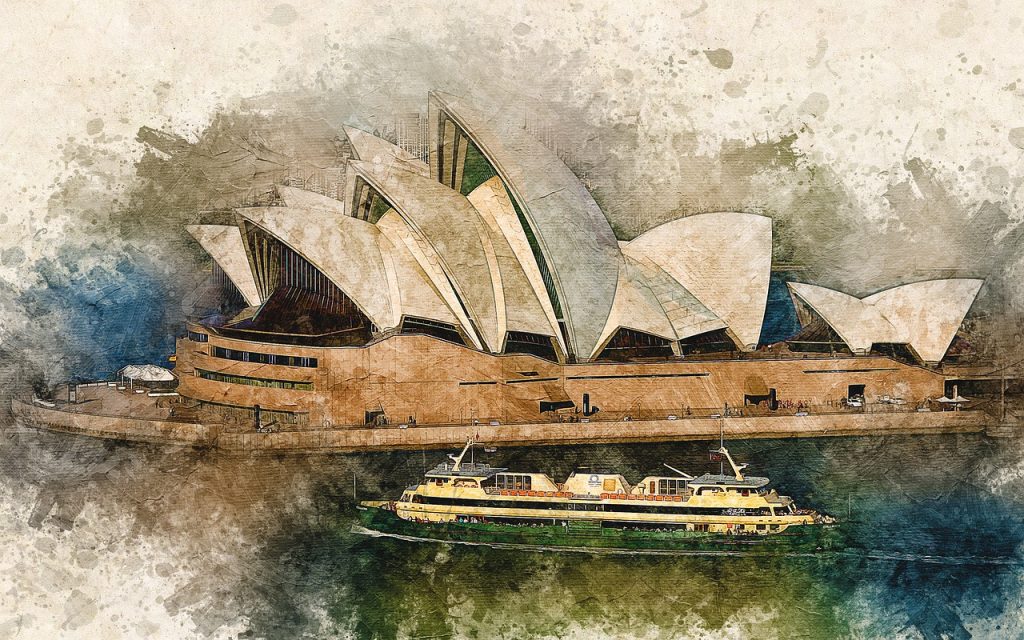
Commercial building designers play a key role in designing iconic commercial structures. These structures involve a blend of artistry, technical expertise, and a deep understanding of the client’s needs and the surrounding environment.
But did you know that these designers are a bunch of skilled professionals owning diverse expertise?
Commercial Building Designers: Role Definitions
Often referred to as commercial architects, designers of commercial buildings are professionals who specialize in the planning and design of non-residential structures. Their work goes beyond aesthetics, encompassing a wide range of considerations. Such talents ensure that commercial buildings are functional, safe, and efficient.
Key Responsibilities and Expertise
- Understanding Client Needs:
- Building designers, primarily architects, begin by thoroughly understanding the client’s vision, goals, and functional requirements. This includes considering the target audience, brand identity, and long-term objectives.
- Space Optimization and Functionality:
- Efficient space planning is crucial. Designers focus on optimising workflow, traffic flow, and accessibility to enhance productivity and user experience.
- Aesthetics and Branding:
- Creating visually appealing designs that reflect the client’s brand and contribute to the surrounding urban landscape is essential. This involves the careful selection of materials, colors, and lighting.
- Technical Expertise:
- Commercial building design requires a strong understanding of building codes, regulations, and construction techniques. Designers collaborate with engineers to ensure structural integrity and that mechanical, electrical, and plumbing (MEP) systems are integrated effectively.
- Sustainability:
- Increasingly, commercial designers for buildings prioritize sustainable design practices, incorporating energy-efficient systems, renewable materials, and green building strategies.
- Project Management:
- Overseeing the project from concept to completion, including coordinating with contractors, managing budgets, and ensuring compliance with regulations.
The Secrets to Iconic Structures

- Innovation and Creativity: Iconic structures often push the boundaries of design, incorporating innovative materials, forms, and technologies.
- Contextual Awareness: Successful designs consider the building’s context, including its surroundings, climate, and cultural significance.
- Attention to Detail: Meticulous attention to detail in every design aspect, from the overall form to the smallest finishing touches, contributes to a building’s iconic status.
- Collaboration: Strong collaboration between architects, engineers, contractors, and clients is essential for successful project outcomes.
- Use of technology: Modern commercial building design heavily relies on technology to allow designers to create highly detailed and accurate designs.
In essence, commercial building designers play a vital role in shaping urban environments and creating functional and inspiring spaces. But some obstacles would stand in their way.
What are the challenges they face?
Challenges Faced by Commercial Building Designers

Building designers who are focusing more on commercial structures face a complex and evolving landscape. Numerous challenges require both creative and practical solutions. Here are some of the key challenges they encounter:
1. Balancing Aesthetics and Functionality:
- Creating visually appealing designs to meet the practical needs of the client and end-users.
- Ensuring that the building’s form supports its function rather than compromising it.
2. Navigating Complex Regulations and Codes:
- Staying up-to-date with ever-changing building codes, zoning regulations, and accessibility standards.
- Obtaining necessary permits and approvals can be a lengthy and complex process.
3. Budget Constraints and Cost Management:
- Designing within strict budget limitations.
- Managing material costs, labor costs, and unforeseen expenses.
4. Sustainability and Environmental Concerns:
- Incorporating sustainable design principles and green building practices to minimize environmental impact.
- Meeting increasing demands for energy efficiency and reduced carbon footprints.
5. Technological Advancements:
- Adapting to rapidly evolving technologies, such as AI and virtual reality.
- Integrating smart building systems and technologies into designs.
6. Client Expectations and Communication:
- Effectively communicating design concepts and ideas to clients who may not have technical expertise.
- Managing client expectations and addressing their concerns throughout the design and construction process.
7. Time Constraints and Project Deadlines:
- Meeting tight deadlines and managing project timelines effectively.
- Coordinating with various stakeholders, including engineers, contractors, and suppliers.
8. Site Constraints and Urban Planning:
- Designing buildings that fit within existing urban contexts and address site-specific challenges.
- Working within limitations imposed by site size, topography, and surrounding infrastructure.
9. Material Selection and Innovation:
- Staying informed about new and innovative building materials and technologies.
- Selecting materials based on durability, cost-effectiveness, and aesthetic appeal.
10. Evolving Workplace and Retail Trends:
- Adapting designs to meet the changing needs of workplaces, retail spaces, and other commercial environments.
- Incorporating flexible and adaptable spaces that can accommodate future changes.
Collaboration and Teamwork in Designing Iconic Structures

Designing iconic structures is a collaborative art form. It requires a team of talented individuals working together seamlessly to bring a shared vision to life. In short, this highly complex undertaking demands a symphony of expertise.
Collaboration and teamwork are not merely beneficial; they are absolutely essential. Let’s break down these critical roles.
Diverse Expertise
Iconic structures require input from a wide range of professionals, including:
- Architects: To provide the overall vision and aesthetic.
- Structural engineers: Guarantee stability and safety.
- Mechanical, electrical, and plumbing (MEP) engineers: In charge of designing essential building systems.
- Interior designers: To take charge of shaping the internal spaces.
- Landscape architects: To integrate the building with its surroundings.
- Construction managers: Overseers of the building process.
Partnering with the best crew allows these specialists to integrate their knowledge and skills, thus creating a cohesive and functional design.
Shared Vision and Communication
A clear, shared vision is essential for a successful project. Effective communication ensures that all team members are aligned and working toward the same goals. Open dialogue and brainstorming sessions foster creativity and innovation, leading to more inspired designs.
Problem-Solving and Innovation
Complex projects inevitably encounter challenges. Teamwork allows for diverse perspectives and collaborative problem-solving. By pooling their expertise, team members can develop innovative solutions that address these challenges.
Efficiency and Coordination
Effective collaboration streamlines the design and construction process, minimizing delays and errors. Clear communication and coordination ensure that all phases of the project are executed smoothly.
Customer Satisfaction
Actively listening to the needs of clients and incorporating their feedback into the plan enables designers to create structures that meet their expectations.
Key Aspects of Effective Professional Partnerships

- Clear Roles and Responsibilities: Defining each team member’s role and responsibilities minimizes confusion and overlap.
- Open Communication: Establishes clear channels of communication and encourages open dialogue.
- Mutual Respect: Valuing each team member’s expertise and contributions.
- Shared Goals: Aligning on common goals and objectives.
- Effective Leadership: A strong leader who can facilitate communication and resolve conflicts may stand out within a crowd of skilled professionals.
Conclusion: Inspiring the Next Generation of Commercial Building Designers
Inspiring future commercial building designers hinges on fostering creativity and technical mastery. At the same time, emphasizing sustainable practices and encouraging the exploration of emerging technologies can be of utmost importance.
There is a need to showcase iconic structures not just as buildings but as solutions to human needs. Promoting collaboration and interdisciplinary learning and highlighting every designer’s role as a visionary and problem-solver can also help.
Through properly nurtured innovation and a construction company that has a deep understanding of human-centered design, the next generation can be empowered to shape the environment with purpose and artistry.