

In the ever-evolving landscape of the modern workplace, the traditional office layout is undergoing a dramatic transformation. With the rise of remote and hybrid work models, the focus has shifted towards creating adaptive and dynamic office spaces that cater to changing trends while promoting collaboration, productivity, and employee well-being. Let’s delve into some key office design trends reshaping office design below.
7 Office Design Trends You Want to Use For Your Business

Here are 7 office design trends that have gone popular in these modern times:
1. Adaptive Layouts
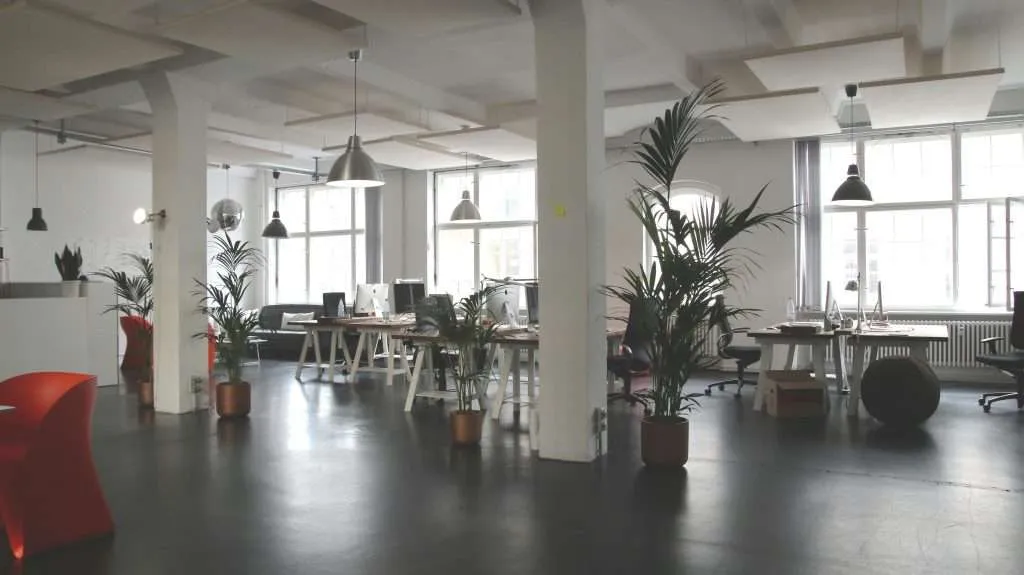
Gone are the days of rigid cubicles and fixed workstations. Modern offices are embracing adaptive layouts characterised by flexible workspaces that can easily accommodate changing needs and preferences. This is particularly crucial in the era of remote and hybrid work, where employees may alternate between working in-office and from home.
By incorporating adaptable “zones” within the office, such as co-working areas and private pods, organisations can strike a balance between collaboration and individual focus. Modular furniture and configurable layouts further enhance flexibility, allowing spaces to be easily reconfigured to suit different tasks and teams.
2. Biophilic Design
Incorporating elements of nature into office design is more than just a trend. It’s a proven strategy for boosting productivity, creativity, and overall well-being among employees. Biophilic design principles emphasise maximising natural light, integrating greenery and plant life.
These fundamentals create connections to the outdoors through features like courtyard areas or rooftop gardens. By bringing the outside in, biophilic design fosters a sense of calm and connection with the environment, leading to higher levels of satisfaction and engagement among employees.
3. Smart Office Concepts
The concept of the smart office is revolutionising the way we work by leveraging technology to enhance efficiency and convenience. These intelligent features streamline day-to-day operations and support the needs of a modern workforce. Features include but limited to smart lighting and temperature control systems to phone booths and Zoom pods for seamless communication.
Additionally, these contribute to a more organised and productive work environment. Some examples are booking systems for amenities and meeting rooms, digital signage for wayfinding, and productivity aids like whiteboards and responsive glass windows.
4. Sustainable Materials Usage
As environmental consciousness continues to grow, sustainability has become a key consideration in office design. Organisations are implementing recycling programs, sourcing materials from eco-friendly suppliers, and incorporating energy-efficient features into their buildings. Amenities such as bike racks and real-time transport updates encourage greener commuting options, while initiatives like green roofs and rainwater harvesting further reduce the environmental footprint of office spaces.


5. Inclusive Design
Creating an inclusive workplace starts with the physical environment. Modern offices prioritise accessibility and diversity through features such as ADA-compliant facilities, gender-neutral bathrooms, lactation rooms, and prayer spaces. By accommodating the diverse needs of employees, organisations foster a culture of belonging and respect, ultimately leading to higher levels of engagement and retention.
6. Local Influences
Infusing local cultural elements into office design adds a unique touch and strengthens ties to the community. From showcasing the work of local artists to using reclaimed materials sourced from nearby suppliers, incorporating local influences adds character and authenticity to the workspace. Native greenery and landscaping can further connect the office to its surroundings, creating a sense of place and belonging for employees.
7. Use of Beyond Traditional Breakrooms
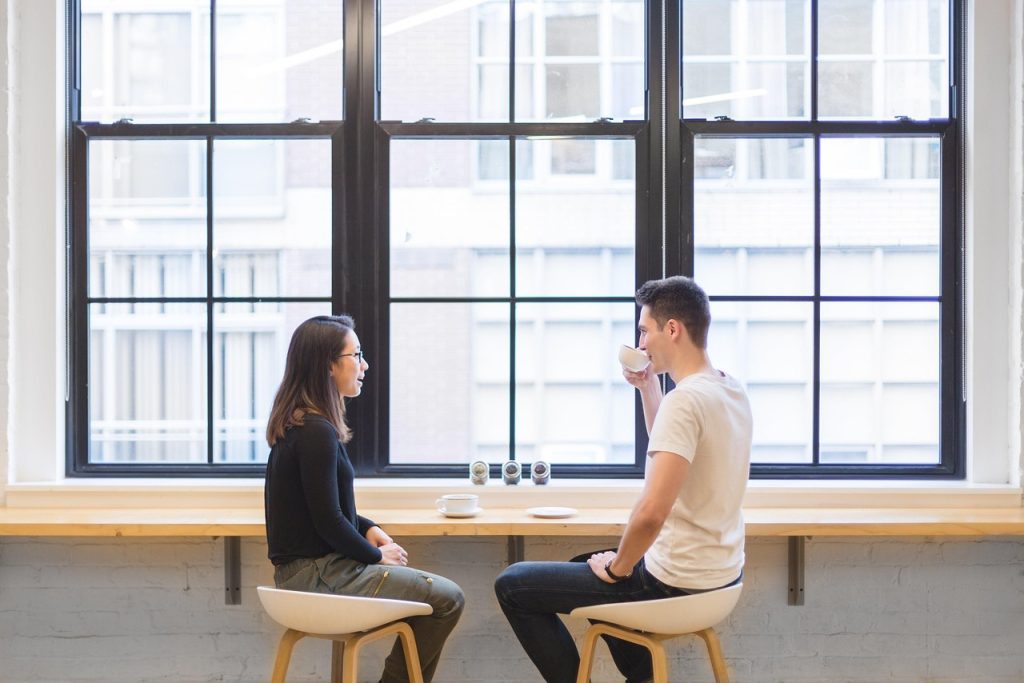
Dedicated café or bar areas serve as versatile spaces that go beyond traditional breakrooms. These areas not only provide a place for employees to unwind and recharge but also double as informal meeting spots or venues for office events and gatherings. By blurring the lines between work and relaxation, these spaces foster a dynamic and sociable workplace culture where collaboration and camaraderie thrive.


Key Takeaways
Designing a modern office that prioritises adaptability, sustainability, inclusivity, and well-being is essential for meeting the evolving needs of today’s workforce. By embracing these essential office design trends and integrating them into office design, organisations can create environments that not only support productivity and collaboration. It also enhances overall employee experience.